

Category: Skoodos
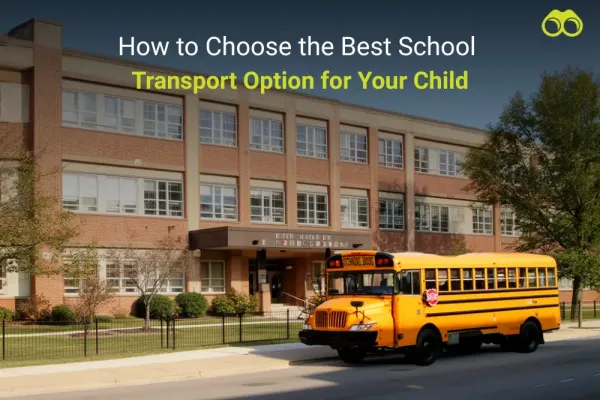
Every school morning begins with the same routine for millions of families: getting children ready and sending them off safely. While parents spend time selecting the right school, curriculum, and teachers, one equally important decision often receives less attention: choosing the best school transport option for your child.
For many students, the school commute is the first independent experience outside the home. Whether it is a school bus, private van, carpool, or school-managed transport service, the journey to and from school must be safe, reliable, and well-regulated.
Unfortunately, concerns about overcrowded vans, poorly maintained vehicles, or unverified drivers still exist in many cities across India. Parents frequently ask: Is the school bus safe? Should my child travel in a private van? How can I track the vehicle?
This guide will help you understand how to choose the best school transport option for your child, the safety standards schools must follow, and the questions parents should ask before finalising transportation. Platforms such as Skoodos also help parents evaluate schools and facilities, including transport infrastructure, making the decision easier and more informed.
The daily commute may only take 20–40 minutes, but it plays a major role in student safety and well-being.
Children often travel without parents during school hours. This makes school transport safety standards essential.
Safe transportation for students ensures:
In cities like Delhi, Mumbai, Bengaluru, and Lucknow, where traffic conditions are unpredictable, structured school transportation policies help reduce risks significantly.
Many parents today also prefer schools that provide GPS tracking in school buses and CCTV cameras, allowing them to monitor their child’s commute.
Before deciding on the best school transport option for your child, it helps to understand the different types of student transport services available.
Many established schools operate their own bus fleets that follow School Transport Safety Rules in India.
Key features:
This is usually the safest and most regulated option for younger children.
Some schools outsource transport to private school transport service providers.
These operators manage multiple routes across the city and provide vehicles for several schools.
Parents should verify:
When properly monitored, private services can be reliable, but verification becomes crucial.
In many neighbourhoods, especially around smaller schools, private vans transport groups of students.
These are often arranged by independent drivers or local operators.
Advantages include:
However, risks include:
This option requires careful inspection and parent coordination.
Some families prefer organising carpools with neighbours or classmates.
Benefits include:
But carpooling may lack:
Parents often ask: School bus vs private van, which is better for children?
The answer depends on several safety factors.
Conclusion:
For younger children, school buses typically offer better safety standards.
The government has established several school transport rules and regulations to ensure safe transportation for students.
These guidelines apply to many CBSE and state board schools.
These regulations are part of the school transportation guidelines followed by CBSE schools in India.
Parents should evaluate multiple aspects before choosing the best school transport option for your child.
Check for:
A quick inspection of the vehicle can reveal a lot.
Drivers should have:
Ask whether the school maintains records of driver background checks.
Child pick-up and drop-off safety guidelines are extremely important.
Look for:
Younger children should never be dropped off without confirmation of a responsible adult.
Long commutes can affect:
Ideally, school travel should not exceed 45–60 minutes one way.
Parents can evaluate schools nearby using platforms like Skoodos, which provide information about schools in different areas along with facilities like transport services.
Modern school transport systems include GPS-enabled bus tracking apps.
Benefits include:
Parents increasingly consider this feature essential.
Ask whether the school transport includes:
Transport providers should clearly explain their insurance coverage for student commute safety.
Before enrolling your child in a school bus or van service, ask these questions.
Safety Questions
Technology Questions
Operational Questions
Policy Questions
These questions help parents check the safety standards of school transport services before committing.
For many families, school buses remain the most practical and safest option.
1. Structured Transport System
Schools operate fixed routes and schedules.
2. Supervision During Travel
Most buses have attendants responsible for student safety.
3. Safety Equipment
Modern school buses include:
4. Reduced Traffic Risk
Students travel collectively rather than individually through busy roads.
While private vans are common in many cities, they come with certain risks.
Parents considering this option should inspect the vehicle and verify driver credentials carefully.
Responsible schools today implement strong school transportation policies.
These include:
When researching schools through platforms such as Skoodos, parents can compare institutions based on facilities, including transport infrastructure, helping them identify schools that prioritise student commute safety.
Before confirming transport services, review this quick checklist.
✔ Vehicle registered for school transport
✔ Driver has a valid commercial licence
✔ Police verification completed
✔ GPS tracking installed
✔ CCTV cameras present
✔ Speed governor installed
✔ Female attendant for younger children
✔ Emergency contacts displayed
✔ Insurance coverage available
Parents who systematically evaluate these points are far more likely to select a trusted school transport provider in India.
School transport systems are gradually becoming more technology-driven and transparent.
Emerging trends include:
Cities such as Delhi, Bengaluru, and Mumbai are already adopting GPS-enabled school bus services more widely.
As parents become more safety-conscious, schools are also improving transport policies and monitoring systems.
Platforms like Skoodos are helping parents compare schools, explore facilities, and understand services such as transport infrastructure before making decisions.
Choosing the best school transport option for your child is about more than convenience. It directly affects your child’s safety, comfort, and daily routine.
Parents should carefully compare options such as school buses, private vans, and carpools while evaluating safety standards, driver verification, technology features, and transport policies.
A structured system with trained staff, monitored vehicles, and clear safety protocols significantly reduces risks during the school commute.
Taking time to ask the right questions and inspect transport arrangements ensures that children travel safely every day. Resources such as Skoodos can also help parents explore schools and understand the facilities they provide, including transportation, making the selection process more informed and reassuring.
In most cases, school buses operated or monitored by the school are the safest option because they follow school transport safety standards, include trained staff, and often have GPS tracking and CCTV monitoring.
Parents should check for:
Schools should also follow the School Transport Safety Rules in India.
School buses generally provide better safety regulation and supervision. Private transport may be convenient, but it requires careful verification of drivers, vehicle conditions, and safety protocols.
School vans can be safe if they:
However, many vans lack monitoring systems like GPS tracking.
Many schools now offer GPS-enabled bus tracking apps that allow parents to monitor real-time bus location, receive arrival alerts, and track route progress.
Parents should ask about:
These questions help ensure safe transportation for students.





 Blog: Recently Added
Let me say this the way most parents feel it—but don’t always say out loud.mSchool visits are confus...

Let’s be real for a second. Most of us don’t start school admissions with a spreadsheet. We start wi...

If you’re looking for a school right now, you probably didn’t expect it to feel this complicated. At...

If you’ve started looking at school admissions recently, you’ve probably come across terms like ...
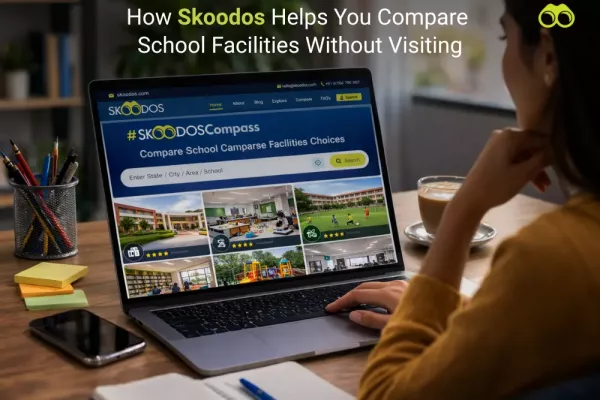
If you’ve ever tried shortlisting schools the traditional way, you already know how messy it gets.On...

If you’ve been through the school admission process recently, you’ve probably noticed something that...
If you’ve reached the school interview stage, you’ve probably already done a lot,forms, research, vi...

Choosing a school is one of those decisions that doesn’t feel urgent,until it suddenly is. Forms ope...
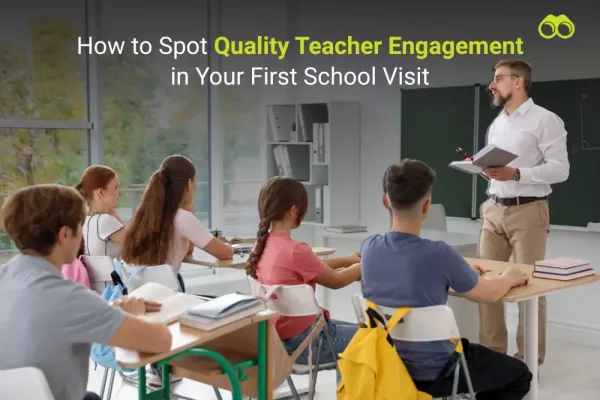
Choosing a school is one of the most important decisions parents make. Fees, infrastructure, and sch...

Choosing the right school is one of the most important decisions parents make for their children. Ac...


 +91 8766 790 362