

Category: Skoodos
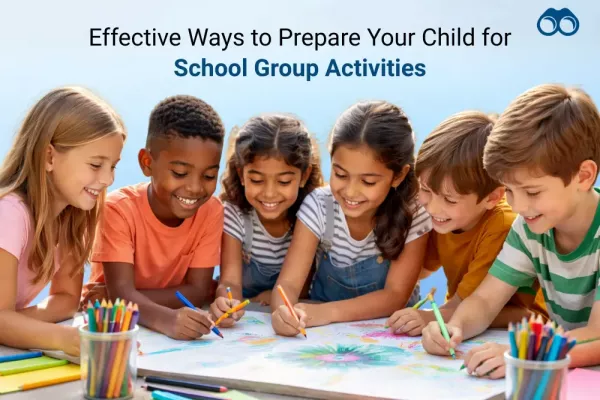
School today looks very different from what it did a decade ago. Learning is no longer limited to textbooks, homework, and exams. In most classrooms, students are encouraged to participate in discussions, group projects, presentations, and other collaborative activities.
For many children, working in groups feels natural. They enjoy sharing ideas, interacting with classmates, and being part of a team. For others, however, these situations can feel uncomfortable. Some hesitate to speak up, while some prefer working quietly on their own.
This is where parents can play an important role. Understanding how to prepare a child for school group activities can help children build the confidence and social skills they need to participate more comfortably in class.
Group activities are not just classroom exercises. They teach children how to cooperate, communicate clearly, and take responsibility for shared work. These experiences also prepare them for situations they will encounter later in life, whether in higher education or professional environments.
Today, many parents are also paying closer attention to how schools support social development alongside academic learning. Platforms such as Skoodos help parents explore schools that encourage collaboration, activity-based learning, and overall student development.
In this guide, we will look at practical ways parents can prepare their children for school group activities and help them feel more confident in collaborative settings.
When teachers introduce group activities in the classroom, the intention goes beyond completing assignments. These activities are designed to help children learn how to work with others.
Through discussions and collaborative projects, students learn to listen, express their thoughts, and understand different perspectives. These interactions play an important role in building social skills for school students.
Group learning also mirrors real-life situations. In most careers, people rarely work alone. Being able to collaborate, communicate ideas, and contribute as part of a team becomes an essential skill.
In many CBSE schools in India, classroom learning now includes project work, presentations, and activity-based tasks. These methods of cooperative learning in classrooms encourage students to engage actively instead of relying only on memorisation.
Over time, such experiences strengthen children's social development skills and improve peer interaction.
Parents often wonder what group activities actually look like in school. In reality, they can take many different forms.
Some common examples include:
Collaborative art projects
Outside the classroom, schools also encourage teamwork through activities such as:
These experiences support student teamwork development and help children become more comfortable sharing responsibilities with others.
Many primary schools in India now integrate collaborative learning directly into their teaching approach.
Not every child immediately enjoys working in groups. Some children take time to adjust to collaborative environments.
Parents may notice signs such as:
These behaviours are quite common, especially among younger students. In many cases, children simply need encouragement and practice to help them participate in group tasks more confidently.
Effective Ways to Prepare Your Child for School Group Activities
Parents play an important role in building the communication and teamwork skills children need for group work.
Here are some practical ways to help.
Children who regularly interact with others often feel more comfortable in group situations.
Simple everyday experiences can help develop these skills. For example:
These interactions help children practise conversation, sharing, and cooperation. Over time, they become more confident during peer interaction in school.
Play is one of the most natural ways for children to learn cooperation.
Parents can encourage activities such as:
These activities work well as confidence-building activities for kids because children experience teamwork in a relaxed setting.
When children see how collaboration leads to better outcomes, they begin to appreciate teamwork naturally.
Many children struggle in group activities simply because they are unsure how to express their ideas.
Parents can help by teaching a few basic communication habits:
Practising conversations at home helps strengthen communication skills for students.
For instance, parents can ask children to explain something they learned in school. Encouraging them to share their thoughts helps build confidence in expressing ideas.
Confidence often determines how actively a child participates in group activities.
Parents can build this confidence by giving children small responsibilities at home, such as:
Completing these responsibilities successfully helps children feel capable and independent.
This confidence often carries into classroom collaboration for children, making them more comfortable sharing their ideas.
Group work often involves solving problems together. Parents can prepare children for such situations by discussing different scenarios.
For example:
These conversations help children think about teamwork situations before they encounter them in school.
They also support collaborative learning activities by encouraging thoughtful decision-making.
Children sometimes assume that only the person who speaks the most is contributing to the group. In reality, teamwork involves different roles.
Students may contribute by:
Understanding these roles helps children realise that every contribution matters.
This approach also reflects how student collaboration activities in CBSE schools are often organised.
School clubs and extracurricular activities provide excellent opportunities for children to practise teamwork.
Parents can encourage participation in:
These programs allow children to experience teamwork in different settings.
Parents exploring schools that emphasise such activities often use Skoodos to identify institutions that encourage activity-based learning and student collaboration.
Disagreements are a natural part of group work. Learning how to manage them calmly is an important life skill.
Parents can guide children to:
These habits help develop communication and leadership skills for kids.
When children understand that differences in opinion are normal, group discussions become more productive.
Talking about school experiences helps children reflect on what they learn during group activities.
Parents can ask questions like:
These discussions help children recognise their strengths and learn from experience.
The school environment plays a significant role in how children experience group activities.
Parents may want to look for schools that emphasise:
Many schools now follow activity-based learning in Indian education, which encourages students to participate actively.
Parents often explore such options through platforms like Skoodos, where they can compare schools based on teaching approaches, extracurricular programs, and student development opportunities.
Children develop teamwork skills more easily when they receive consistent encouragement at home.
Parents can support them by:
These simple practices gradually strengthen social skills for school students.
Group activities contribute to several areas of a child’s development.
Children learn how to interact with peers, cooperate, and share ideas.
Working in teams helps children manage frustration, practise patience, and celebrate shared success.
Collaborative discussions often deepen understanding of academic subjects.
Students learn when to guide others and when to support teammates.
Because of these benefits, educators increasingly emphasise the importance of group activities in child development.
Many schools across India are adopting teaching methods that encourage teamwork.
Examples include:
These activities strengthen children's teamwork and learning in Indian schools and encourage leadership skills among students.
Parents researching such programs often use Skoodos to explore schools that provide strong activity-based learning environments.
Learning how to prepare a child for school group activities helps children feel more comfortable participating in classroom discussions, projects, and team-based tasks.
Group work teaches skills that go far beyond academics. Children learn how to communicate, cooperate, and contribute as part of a team.
Parents can support this process by encouraging teamwork at home, building confidence through small responsibilities, and discussing school experiences regularly.
As schools continue to emphasise collaborative learning and activity-based education, platforms like Skoodos help parents explore institutions that prioritise holistic student development.
With the right support and encouragement, children can approach group activities with greater confidence and curiosity.





 Blog: Recently Added
Let me say this the way most parents feel it—but don’t always say out loud.mSchool visits are confus...

Let’s be real for a second. Most of us don’t start school admissions with a spreadsheet. We start wi...

If you’re looking for a school right now, you probably didn’t expect it to feel this complicated. At...

If you’ve started looking at school admissions recently, you’ve probably come across terms like ...
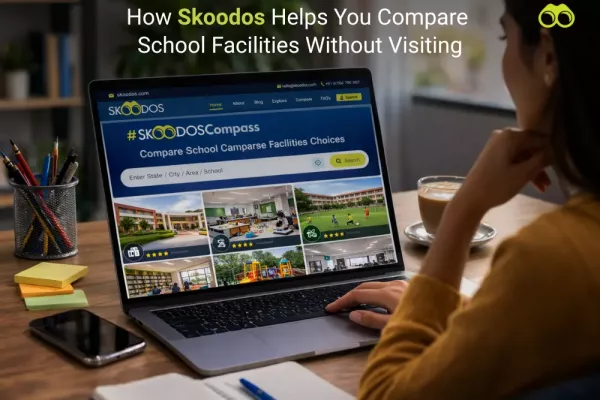
If you’ve ever tried shortlisting schools the traditional way, you already know how messy it gets.On...
If you’ve been through the school admission process recently, you’ve probably noticed something that...
If you’ve reached the school interview stage, you’ve probably already done a lot,forms, research, vi...

Choosing a school is one of those decisions that doesn’t feel urgent,until it suddenly is. Forms ope...
Choosing a school is one of the most important decisions parents make. Fees, infrastructure, and sch...

Choosing the right school is one of the most important decisions parents make for their children. Ac...


 +91 8766 790 362