

Category: Skoodos
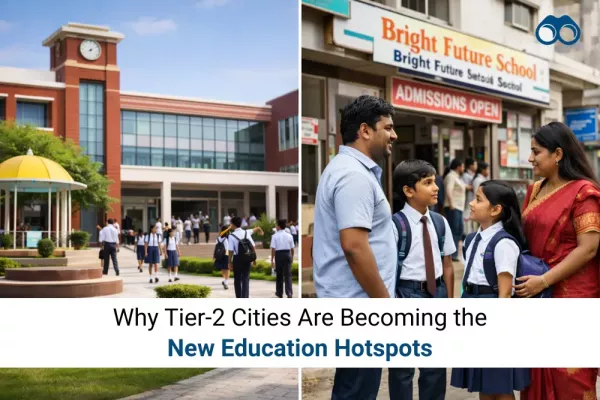
For years, higher education in India came with an almost unspoken rule: if you want a “good” degree, you have to move to a metro city. Delhi, Mumbai, Bengaluru, Chennai, these names carried weight. Parents stretched budgets, students squeezed into cramped hostels, and families quietly accepted high costs as the price of opportunity.
But that mindset is changing, and it’s changing fast.
Today, tier two cities' education hotspots are no longer fallback options. They’re becoming first-choice destinations for students who want quality education without financial burnout. What’s driving this shift isn’t hype or temporary trends; it’s lived reality. Rising metro costs, expanding private universities, better infrastructure, and clearer information access are collectively rewriting India’s education map.
Let’s break down why this shift feels so real, which cities are leading it, and what it actually means for students and parents making decisions right now.
In everyday conversation, tier two cities are often described as “smaller than metros but developed.” In educational terms, they represent something much more important: balance.
These cities typically offer:
This combination has quietly turned them into emerging education hubs in India, capable of delivering quality learning without metro-level stress.
This is the biggest reason students are moving away from metros, and parents admit it openly.
In most metro cities:
In contrast, tier two cities offer cost-effective education options without cutting corners on academics.
The difference adds up fast:
For many families, this isn’t about saving money; it’s about making higher education possible at all.
The rise of private universities in tier two cities has changed everything.
Institutions are intentionally choosing these cities because they can:
Many private universities in tier two cities now offer:
This shift is one of the biggest drivers of tier two cities' higher education growth.
The idea that “good infrastructure only exists in metros” is outdated.
Thanks to public investment and private participation, education infrastructure development in India has reached well beyond metro limits. Today’s tier two cities offer:
What’s emerging isn’t just colleges, it’s complete education ecosystems.
Indore has steadily built a reputation for management, engineering, and professional education. Students appreciate its safety, affordability, and growing academic credibility.
Jaipur blends culture with modern education. It has become a strong choice for law, design, liberal arts, and management, earning its place among the best tier two cities for higher education in India.
Known for engineering and industry-linked programs, Coimbatore’s strong manufacturing ecosystem supports career-oriented courses in tier two cities.
These cities are rapidly emerging as education clusters, driven by policy support, private investment, and growing student demand.
Tier two cities are increasingly seen as student-friendly cities in India because:
Learning feels more personal and less exhausting.
Institutions here often emphasise:
This approach to skill-based education in smaller cities matches what today’s job market actually wants.
Parents value:
That’s why tier two cities' education in India is increasingly seen as a balanced decision,not a compromise.
When counsellors ask students why, the answers are refreshingly honest:
Platforms like Skoodos have made this shift easier by helping families compare colleges, courses, fees, and facilities across cities, without relying on guesswork.
This comparison explains why non-metro education growth is accelerating.
Short answer: Yes, if you choose carefully.
Quality depends on:
With proper research and transparent tools, students can find institutions that meet national and even global standards.
Tier two cities are no longer “second-best.” They’re:
This isn’t a temporary trend; it’s shaping the future of higher education in tier two cities.
Before finalising a college or city, evaluate:
Structured platforms like Skoodos simplify this process, turning confusion into clarity.
The rise of tier two cities' education hotspots reflects a deeper shift in Indian thinking. Education today is less about postcode prestige and more about value, outcomes, and sustainability.
For families willing to look beyond metros, tier two cities offer something powerful: quality education without burnout. And with the right research tools, choosing the right institution isn’t overwhelming; it’s empowering.
This isn’t settling for less.
It’s choosing smarter





 Blog: Recently Added
Let me say this the way most parents feel it—but don’t always say out loud.mSchool visits are confus...

Let’s be real for a second. Most of us don’t start school admissions with a spreadsheet. We start wi...

If you’re looking for a school right now, you probably didn’t expect it to feel this complicated. At...

If you’ve started looking at school admissions recently, you’ve probably come across terms like ...
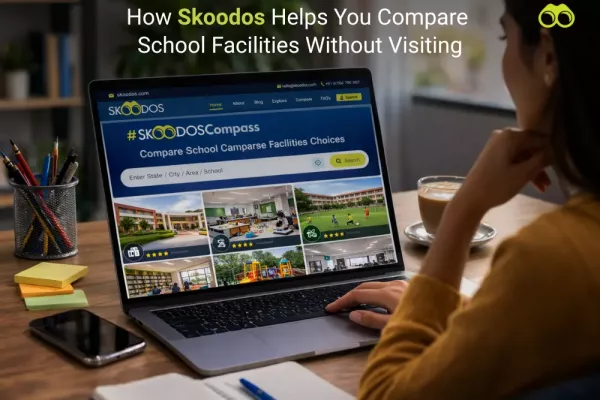
If you’ve ever tried shortlisting schools the traditional way, you already know how messy it gets.On...

If you’ve been through the school admission process recently, you’ve probably noticed something that...
If you’ve reached the school interview stage, you’ve probably already done a lot,forms, research, vi...
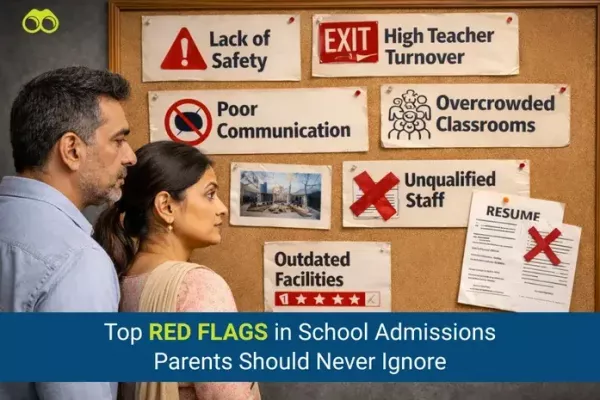
Choosing a school is one of those decisions that doesn’t feel urgent,until it suddenly is. Forms ope...

Choosing a school is one of the most important decisions parents make. Fees, infrastructure, and sch...

Choosing the right school is one of the most important decisions parents make for their children. Ac...


 +91 8766 790 362