

Category: Skoodos
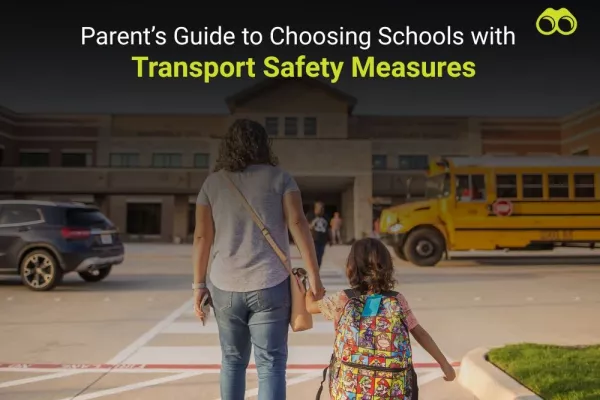
The process of selecting the best school for your child is more than just the academics, teachers or even the infrastructure of campus. Today, for many parents, security of transport at school has been a key decision-maker. Due to the increasing traffic on roads, long commutes and the risk of unsafe travel, parents need to be sure that their child's travel between school and home is as secure as they can.
Schools that place a high value on security measures at school will not only provide comfort but also peace of mind. This document helps parents comprehend the things to be looking for, what safety standards should be considered, as well as how to judge a school's safety system in a way that is clear and confident.
Every day millions of children travel between their homes and schools. The daily commute should be dependable, secure and controlled. However, an unregulated transportation system can place children at unneeded risks.
Safety for children during the commute to school does not only concern clean and well-maintained buses. The driver's behavior and security systems for monitoring, emergency preparedness communications channels, and conformity to accepted safe school transport standards.
Delays, accidents, and mishandling, driver negligence can be avoidable if schools adhere to structured policies. Parents must be aware of transportation safety prior to choosing schools, and ensure that the establishment has a well-tested and thoroughly audited transportation system. A solid safety program makes sure that the school has a sense of the responsibility of its staff and is accountable. These are two important factors for parents of any age.
Parents frequently struggle to decide how to conduct an inspection or question on school visits. The following safety guidelines simplify the process of evaluating.
The driver is probably the most significant person to be in the kid's everyday commute.
The schools must make sure that
A well-trained driver reduces the chance of collisions and also ensures that the environment of the bus is kept clean.
A school bus with safety comes with the most modern technology and adheres to strict maintenance guidelines.
Parents need to check for:
The use of school bus seat belts is an important benefit. While belts for seats may not be compulsory across all areas, most modern schools use them for better control of passengers and better security.
Regular school transport safety audits should be carried out for a thorough examination of mechanical health as well as brake systems and electrical wiring.
Modern schools use technologies to increase the transparency of their schools. GPS tracking systems enable parents to track the route of their bus's route in real time. This provides clarity about delay, route and the arrival time.
A lot of schools are now offering applications that include features such as:
The systems provide safe school transportation across the entire route. Additionally, they help schools respond quickly in emergency situations.
The strictness of a school's written and communicated school bus safety rules guarantees consistency in transportation routines.
The bus regulations that must be followed are:
These guidelines benefit both students and the transportation staff. Parents can ask their school to provide a copy of the school safety measures or the handbook for transport.
If your child is younger the presence of a female attendant is vital for children younger than. She will ensure safety on the board in a safe and controlled seating environment, as well as easy departures.
Attendants play key roles in:
An attentive and responsible driver is one of the best indicators of ensuring safety in school transportation
A clear communication can avoid chaos and confusion.
A lot of schools offer:
A transparent communication system is an important indication of a successful student-centered transport system.
Parents can be unsure of the best place to start. This method of step-by-step helps simplify the process of making a decision.
A reputable school will possess clearly defined school transport safety guidelines, include:
Parents must request these without delay.
Physical inspections provide an in-depth view of the transportation system.
Parents need to check for:
Facilities that are well maintained and safe for students have a tendency to take safety seriously.
The transportation coordinator is responsible for the planning of routes, communications maintenance and the handling of emergencies.
Parents can inquire:
These questions can help determine the commitment of the school.
Parents' stories give real-world information. The reviews often reveal if the school really is following safe school commute options or just claims that it does.
Parents must specifically look for:
An accredited school transportation program will be in line with school transportation safety standards and prioritizes safety as a part of their school's culture.
The parents can utilize this basic table to assess schools.
This checklist provides a simple method for parents to evaluate selected schools.
Parents should also help prepare their children to travel safely.
Here are some essential school bus safety guidelines:
Parents must talk with your child about the rules often. Being aware of school bus safety rules helps to establish discipline and reduces incidents.
If any of these indications are present, parents need to beware of the school
Safe schools never compromise the quality of transportation or oversight.
The journey of a child to school is a significant aspect of their schedule, so ensuring that security is the responsibility of every school. If schools invest in robust transportation policy Parents can be confident that their child's safety is in safe hands.
Prior to deciding on admissions parents should thoroughly review the facilities for transport, communicate with school officials, as well as read reviews from real students. Making sure that the school adheres to appropriate school transport safety standards will give you long-term security and security.
Parents seeking to learn more about schools with certified transport safety programs can rely on Skoodos which is India's most trusted platform for school searches.
Skoodos pre-screens schools, validates safety measures and lets parents evaluate schools based on transportation standards, the infrastructure and even reviews.
Explore safe, reliable and accredited schools for parents today and only through Skoodos.
Parents are able to request security certificates, driver verification forms and inspection reports. An ethical school will make them in an open manner.
GPS tracking allows parents as well as schools to track the bus's position in real-time to ensure a secure monitoring of the commute.
The driver's training should comprise emergency procedures, maintenance schedules, and supervision rules.
Belts on seats may not be required by law everywhere however, many schools do use the idea as part of better safety measures.
Schools must conduct audits each year, at least once in order to guarantee operational and mechanical security.



 Blog: Recently Added
Let me say this the way most parents feel it—but don’t always say out loud.mSchool visits are confus...
Let’s be real for a second. Most of us don’t start school admissions with a spreadsheet. We start wi...

If you’re looking for a school right now, you probably didn’t expect it to feel this complicated. At...

If you’ve started looking at school admissions recently, you’ve probably come across terms like ...
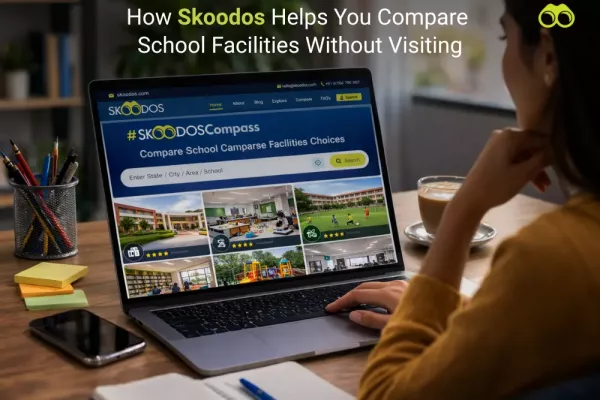
If you’ve ever tried shortlisting schools the traditional way, you already know how messy it gets.On...

If you’ve been through the school admission process recently, you’ve probably noticed something that...
If you’ve reached the school interview stage, you’ve probably already done a lot,forms, research, vi...
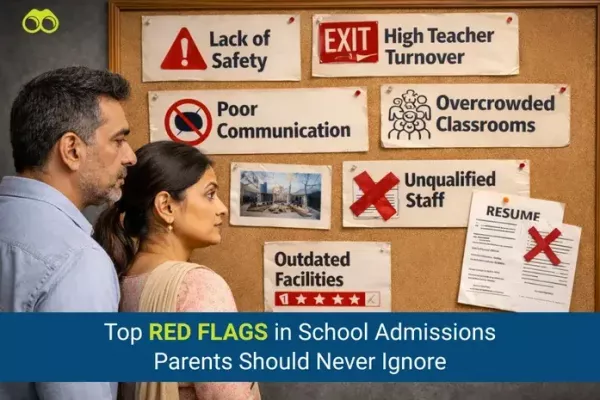
Choosing a school is one of those decisions that doesn’t feel urgent,until it suddenly is. Forms ope...
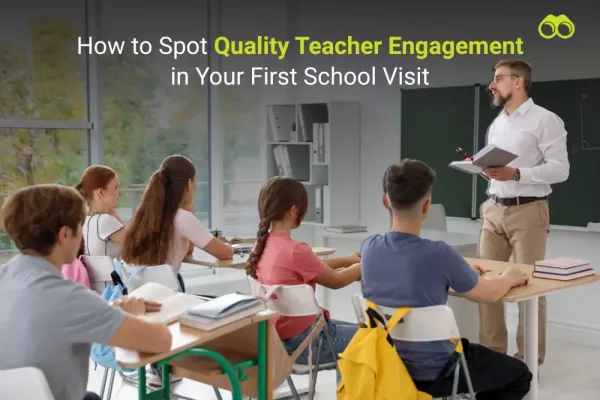
Choosing a school is one of the most important decisions parents make. Fees, infrastructure, and sch...

Choosing the right school is one of the most important decisions parents make for their children. Ac...


 +91 8766 790 362