

Category: Skoodos

Hey there! Have you heard about micro-schools?
These tiny schools continue to appear across various locations as people intensively discuss their increasing presence worldwide. So, what are micro-schools? These educational establishments remain compact because they operate with groups between 5 and 15 children, yet they encompass impressive educational concepts. The combination of casual family environments and custom learning approaches provides students with a novel method for their growth. People in both education and teaching have quickly adopted this trend due to its evident appeal. The teaching method of micro-schools turns out to be straightforward in its design of small student groups receiving personalized plans of instruction within flexible learning arrangements. But there’s more to it! The rise of popularity for micro-schools requires analysis to understand their benefits, together with their advantages and disadvantages against traditional classrooms. You will receive detailed information about this interesting educational format by the conclusion of this piece.
What does it mean for an educational institution to be a micro-school, along with its operational processes? The learning space of micro-schools appears as a small, intimate environment that operates from residences or storefronts or online. Under the micro-school education model, classrooms maintain tight bonds because they lack the big size educational facilities with thirty students per class. The teacher chooses personalized instruction for individual students by combining classroom material with hands-on activities. The educational method of micro-schools has existed for some time, yet the United States witnessed a massive growth of thousands since the year 2020.
Why the hype? Big schools can feel like factories—too many kids and not enough attention. Parents and kids want something different. Why are parents choosing micro-schools? They’re tired of one-size-fits-all learning and strict rules. Micro-schools offer a breath of fresh air, but are they perfect? Let’s break it down with the benefits of micro-schools and more.
Curious about how micro-schools work? They’re super flexible! Some meet every day, others just a few times a week. The micro-school curriculum options vary—some stick to state standards, while others blend art, coding, or outdoor play. Teachers act more like coaches, helping kids chase what they love while still hitting math and reading goals. Do micro-schools follow a curriculum? Yup, most do, but they tweak it to fit each kid’s pace.
Take a real example: a micro-school in Texas might have 10 kids, ages 6 to 12, learning together. One day, they’re building a birdhouse to practice math; the next they’re reading adventure books. It’s hands-on and personal—way different from the desk-and-test grind. Micro-school vs traditional school? Think small vs. big, custom vs. standard—it’s a whole new vibe!
Here’s why folks are buzzing about them:
Micro-schools shine with personalized learning schools' magic. Every kid gets a plan just for them. Struggling with fractions? You’ll get extra help. Love science? Dive into experiments! A mom I know said her shy son bloomed in a micro-school—he wasn’t lost in a crowd anymore. That’s a huge benefit of micro-schools.
Small size = big wins. Small learning communities mean tighter bonds—kids and teachers know each other. No one slips through the cracks. It’s like a little family, and that’s gold for kids who need more support.
Micro-schools ditch the stiff schedules. Some let kids learn online part-time with online micro-school programs, others mix in field trips. Innovative education solutions keep it fresh—think less rote memory, more real-world skills. Parents love this freedom!
Not every kid fits the public school mold. Alternative education models like micro-schools offer a way out. What kind of students benefit from micro-schools? Shy kids, fast learners, or those who hate sitting still—they all thrive here.
Parents get a say! They pick teachers, vibe, and even location—how to find a micro-school near me is as easy as chatting with local groups. Why are micro-schools the future of education? They hand control back to families.
Let’s compare! Are micro-schools better than traditional schools? It depends. Traditional schools have big buildings, sports teams, and set rules—great for structure. Micro-schools? They’re nimble—fewer kids, more focus. Micro-school vs traditional school boils down to this: mass production vs. custom-made. Traditional schools are free, but micro-schools cost money—more on that soon. Can micro-schools replace public schools? Not fully, but they’re a sweet option for some!
How much does a micro-school cost? It’s a mixed bag. Some charge $300 a month, others $1,000+. Micro-school funding options like grants or parent co-ops can help. How to start a micro-school with low investment? Use a home, team up with families, and keep it simple—some kick-off for under $1,000! Compare that to private schools ($20,000+), and it’s a steal.
Dreaming of your own? How do I start a micro-school? Start small: gather 5–10 kids, find a space (even your living room!), and plan lessons. How to start a micro-school business? Add a license, market to parents, and maybe hire a helper. Micro-school franchise opportunities exist, too—brands like Acton Academy let you join their crew. Micro-school consulting services can guide you if you’re stuck. Easy? Not quite, but doable!
Confused? What is the difference between micro-school and homeschooling? Homeschooling solo parents teach at home. Micro-schooling vs homeschooling: which is better? Micro-schools bring a group vibe with pro teachers, while homeschooling is cheaper and super personal. Pick what clicks for you!
Why are micro-schools the future of education? They’re nimble, kid-focused, and tech-friendly. As families crave choice, the best micro-schools near me searches are spiking. They won’t wipe out public schools, but they’re carving a big niche in innovative education solutions. Watch this space!
Micro-schools are a game-changer—tiny setups with huge hearts! What are micro-schools? They’re small, custom learning hubs that put kids first. Why are micro-schools becoming popular? Parents love the flexibility, and kids love the attention—it’s a win-win. Sure, costs and rules can trip you up, but the pros and cons of micro-schools lean toward awesome for many. Whether you’re hunting how to find a micro-school near you or dreaming of starting one, this trend is here to stay.
Curious for more? Check Skoodos for top resources to dive deeper!
Q: What is a micro-school, and how does it work?
A: A tiny school, 5-15 kids—with custom lessons and flexible vibes.
Q: Why are parents choosing micro-schools?
A: They want personal learning and less rigidity for their kids.
Q: Are micro-schools better than traditional schools?
A: For some, smaller, tailored, but pricier.
Q: How much does a micro-school cost?
A: $5,000-$15,000 yearly, depending on setup.
Q: What are the benefits of micro-schools?
A: Close attention, fun lessons, happy kids.
Q: Do micro-schools follow a curriculum?
A: Yes, but it’s bendy—it fits each kid’s needs.
Q: Can micro-schools replace public schools?
A: Not totally, but they’re a cool option.
Q: Are micro-schools legal in all states?
A: Mostly, but check your state’s rules.
Q: How do I start a micro-school?
A: Grab a space, kids, and a plan—start small!
Q: What’s next for micro-school fans?
A: Grow your own or join the movement!





 Blog: Recently Added
Let me say this the way most parents feel it—but don’t always say out loud.mSchool visits are confus...
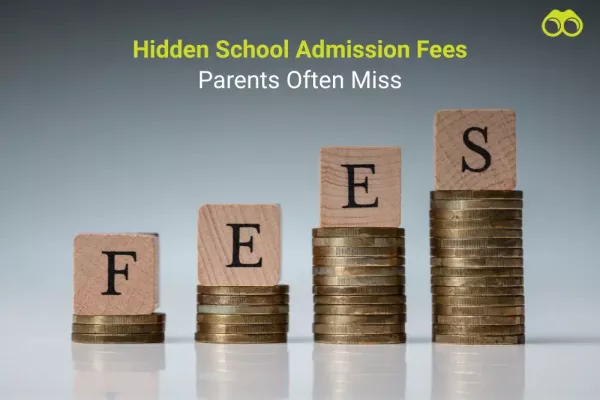
Let’s be real for a second. Most of us don’t start school admissions with a spreadsheet. We start wi...

If you’re looking for a school right now, you probably didn’t expect it to feel this complicated. At...

If you’ve started looking at school admissions recently, you’ve probably come across terms like ...
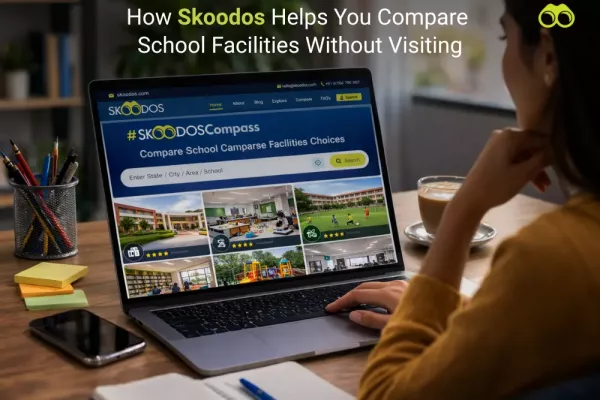
If you’ve ever tried shortlisting schools the traditional way, you already know how messy it gets.On...

If you’ve been through the school admission process recently, you’ve probably noticed something that...
If you’ve reached the school interview stage, you’ve probably already done a lot,forms, research, vi...
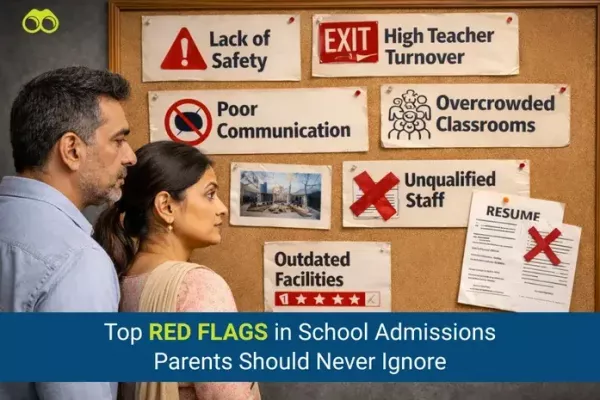
Choosing a school is one of those decisions that doesn’t feel urgent,until it suddenly is. Forms ope...
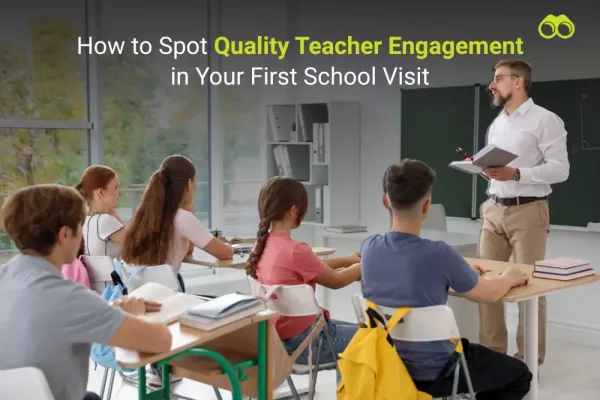
Choosing a school is one of the most important decisions parents make. Fees, infrastructure, and sch...

Choosing the right school is one of the most important decisions parents make for their children. Ac...


 +91 8766 790 362